Traditional Architecture in the Asir Region: A Visual Analysis by Hussain Muhay
Traditional architecture in the Asir region has always been characterized by diversity and inclusivity, shaped by the many civilizations that have passed through the Arabian Peninsula since the first century BCE. Asir serves as a living example of cultural coexistence, reflecting the deep historical and architectural heritage of the peninsula. This is evident through the incorporation of numerous symbols and forms closely tied to the cultural and environmental legacy of the region and its surroundings. Even distant civilizations that interacted—directly or indirectly—through migration, trade, or changing political powers influenced Asir's unique architectural identity, which is rich in colors, symbols, and distinctive visual elements.
Traditional Architecture in the Asir Region: A Visual Analysis by Hussain Muhay
Traditional architecture in the Asir region has always been characterized by diversity and inclusivity, shaped by the many civilizations that have passed through the Arabian Peninsula since the first century BCE. Asir serves as a living example of cultural coexistence, reflecting the deep historical and architectural heritage of the peninsula.
This is evident through the incorporation of numerous symbols and forms closely tied to the cultural and environmental legacy of the region and its surroundings. Even distant civilizations that interacted—directly or indirectly—through migration, trade, or changing political powers influenced Asir's unique architectural identity, which is rich in colors, symbols, and distinctive visual elements.
The "Sawm’ah": A Signature of Asiri Builders
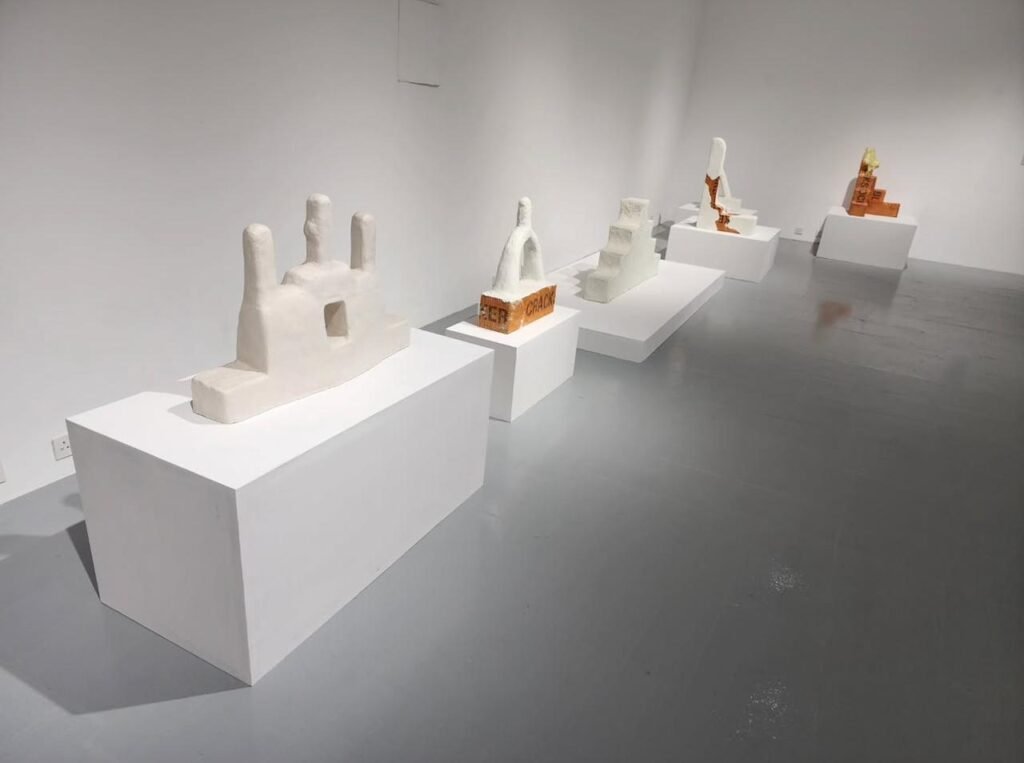
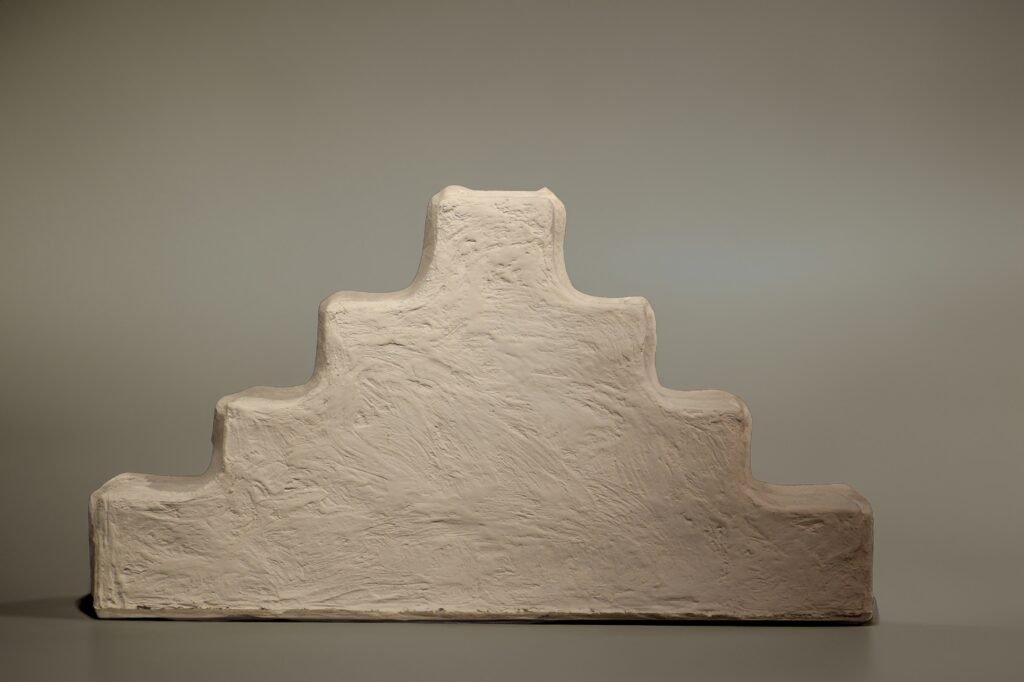
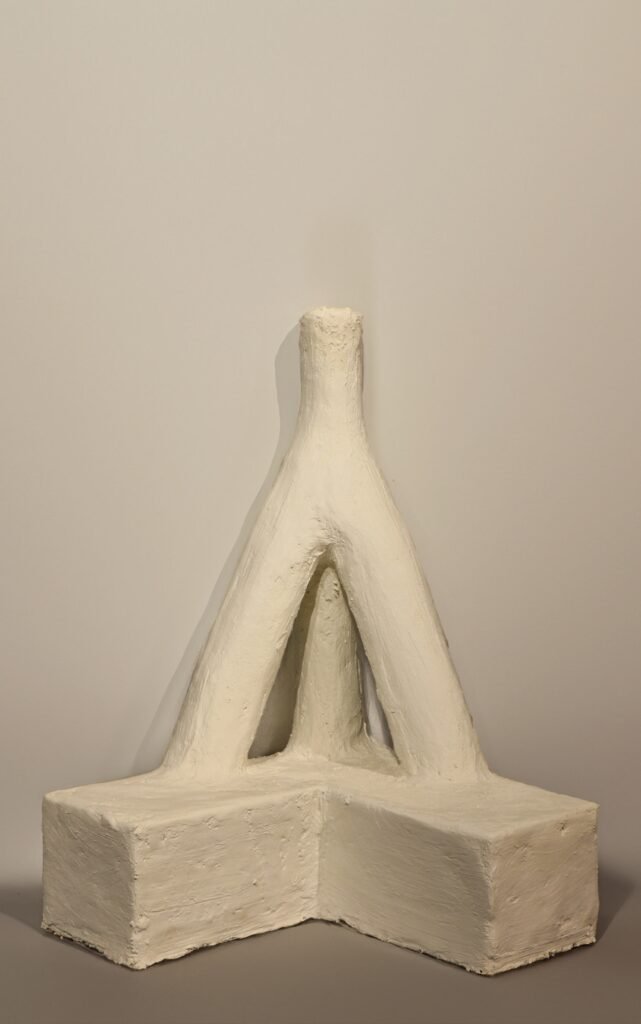
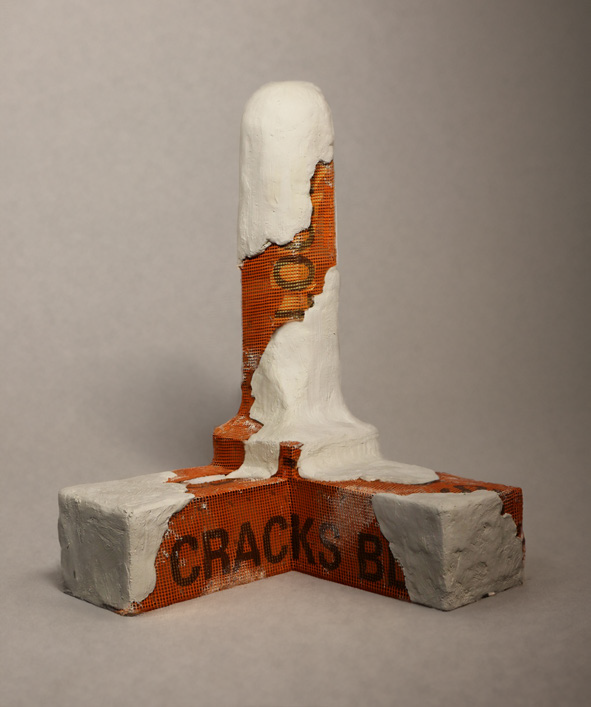
In this exhibition, the artist presents architectural dissections of a specific unit known as the "Sawm’ah"—a small clay structure placed on rooftops. It is believed that this feature served as a signature of the builder, signifying his craftsmanship and skill in construction. Positioned prominently on rooftops, the Sawm’ah reflected the builder’s artistry and mastery.
However, the function of the Sawm’ah remains a topic of debate. Some sources suggest that it symbolized wealth and social status, while others link it to offering altars that were common in neighboring regions and held religious or spiritual significance in pre-Islamic Arabian traditions.
A Modern Artistic Interpretation
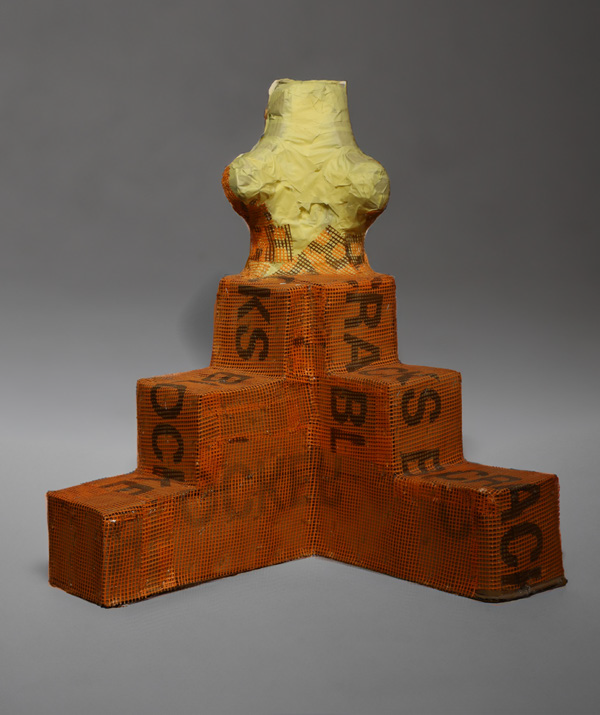
Hussain Muhay reinterprets the Sawm’ah as an independent visual form, creating contemporary sculptures inspired by its original structure. He modernizes it by incorporating contemporary construction materials, emphasizing its adaptability as a visual element that transcends its original function. By isolating it from its traditional architectural setting and placing it in a new artistic context, he shifts the discussion from its historical utility and purpose to its purely visual and aesthetic qualities.
Through this project, Hussain Muhay establishes a new dialogue between art as an aesthetic expression and heritage as a cultural reference. He challenges the conventional perception of traditional architectural elements, presenting them as abstract forms that transcend their practical function. His work reimagines heritage through a contemporary visual lens, showcasing the potential of historical symbols to be reinvented and integrated into modern artistic discourse.
The Dome of Rock
Ideological Differences and the Pursuit of Balance: A Visual Interpretation by Hussain Muhay
Ideologies differ due to various factors, including environment, local culture, historical depth, and the circumstances that nations experience over time. Ideological conflicts have played a central role in human wars and disputes throughout history. However, achieving balance and a healthy environment based on moderation is essential for coexistence and acceptance of others. Violence only breeds more violence, and defending one's identity and culture should not come at the cost of attacking or undermining others’ beliefs. Therefore, even though finding balance is complex and influenced by many factors, a common ground must be established to foster mutual understanding and peaceful coexistence between different peoples, cultures, and ideologies.
A Philosophical Reading of the Dome of the Rock
Through this work, Hussain Muhay offers a deep philosophical interpretation of the symbolism of the Dome of the Rock. Here, the rock is not just a solid mass—it represents history, foundational principles, and the shared origins that unite humanity despite religious and cultural differences. Meanwhile, the dome symbolizes the heavens, the divine, and spiritual aspirations that transcend time and space.
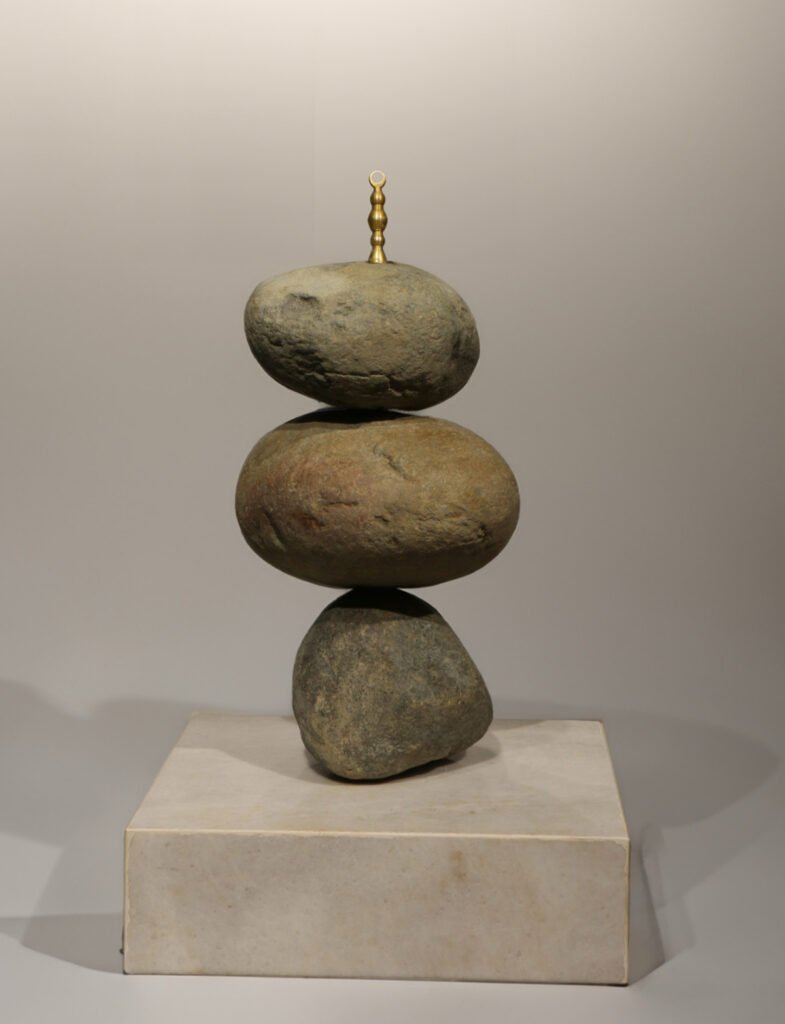
The artist employs the visual symbolism of the Dome of the Rock—located in Al-Aqsa Mosque in Jerusalem, a site sacred to all three Abrahamic religions. He proposes a visual formula for balance, aiming for a future of peaceful coexistence and mutual acceptance. Additionally, he incorporates a halo (aura) similar to the one surrounding the actual Dome of the Rock, creating a visual and symbolic link between reality and artistic representation. This juxtaposition of name, form, and symbolism enhances the depth of the artwork.
A Symbol of Balance: The Dome of the Rock
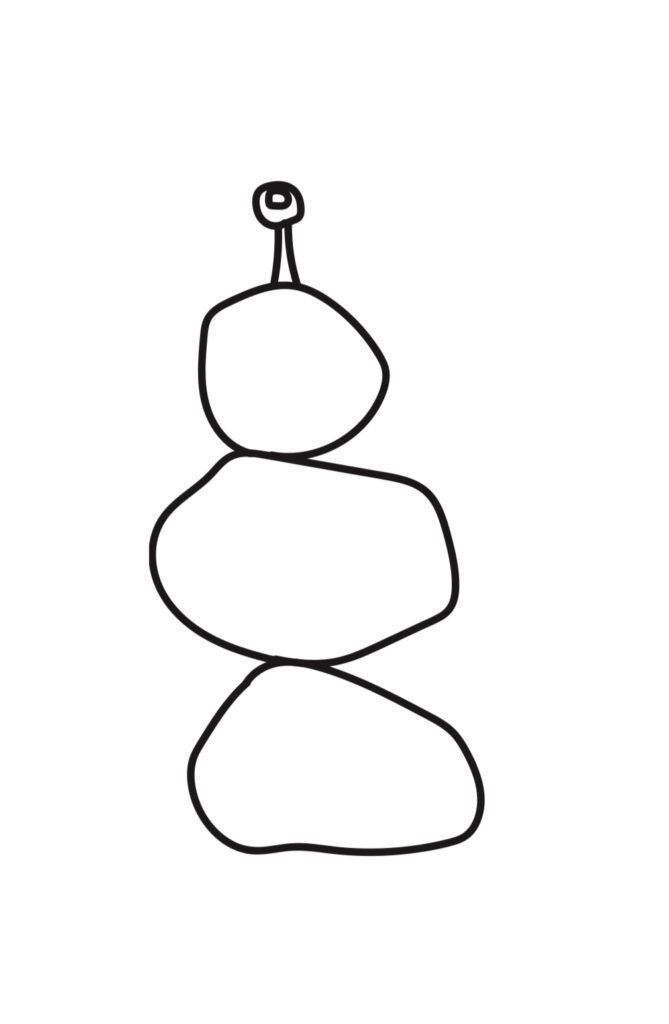
In his artwork, "Dome of the Rock," Hussain Muhay draws inspiration from nature, which serves as the ultimate model of balance. He uses this natural equilibrium to represent the three Abrahamic religions, which have historically experienced tensions and conflicts since their emergence. His artwork proposes a vision for coexistence by stacking rocks on top of each other in a balanced formation, symbolizing the possibility of stability between these religions. Scientifically, this balance is achievable if each rock is carefully placed at the right contact point to create a stable and firm structure.
However, the function of the Sawm’ah remains a topic of debate. Some sources suggest that it symbolized wealth and social status, while others link it to offering altars that were common in neighboring regions and held religious or spiritual significance in pre-Islamic Arabian traditions.
A Philosophical Reading of the Dome of the Rock
Through this work, Hussain Muhay offers a deep philosophical interpretation of the symbolism of the Dome of the Rock. Here, the rock is not just a solid mass—it represents history, foundational principles, and the shared origins that unite humanity despite religious and cultural differences. Meanwhile, the dome symbolizes the heavens, the divine, and spiritual aspirations that transcend time and space.
The artist employs the visual symbolism of the Dome of the Rock—located in Al-Aqsa Mosque in Jerusalem, a site sacred to all three Abrahamic religions. He proposes a visual formula for balance, aiming for a future of peaceful coexistence and mutual acceptance. Additionally, he incorporates a halo (aura) similar to the one surrounding the actual Dome of the Rock, creating a visual and symbolic link between reality and artistic representation. This juxtaposition of name, form, and symbolism enhances the depth of the artwork.
Discover art with a new vision!
When colors blend, visions emerge!
Art—A language that needs no translation!
Painting dreams, letting colors speak!
Between creativity and imagination, vision comes to life!
Discover art with a new vision!
When colors blend, visions emerge!
Art—A language that needs no translation!
Painting dreams, letting colors speak!
Season of Cement
A Visual Commentary on Urban Expansion and Environmental Decay
"In recent years, I have noticed the decline of farmland in my village and neighboring villages, replaced by lifeless concrete structures. The villages are no longer as green as they should be. Farmers have abandoned their trees and crops in favor of massive cement buildings devoid of life."
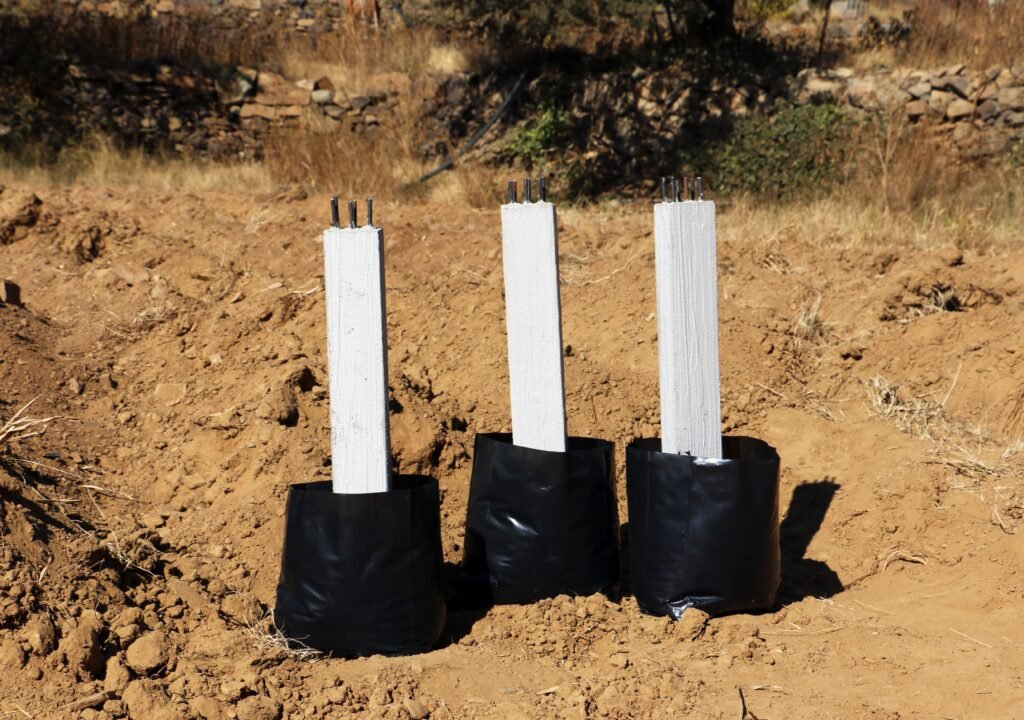
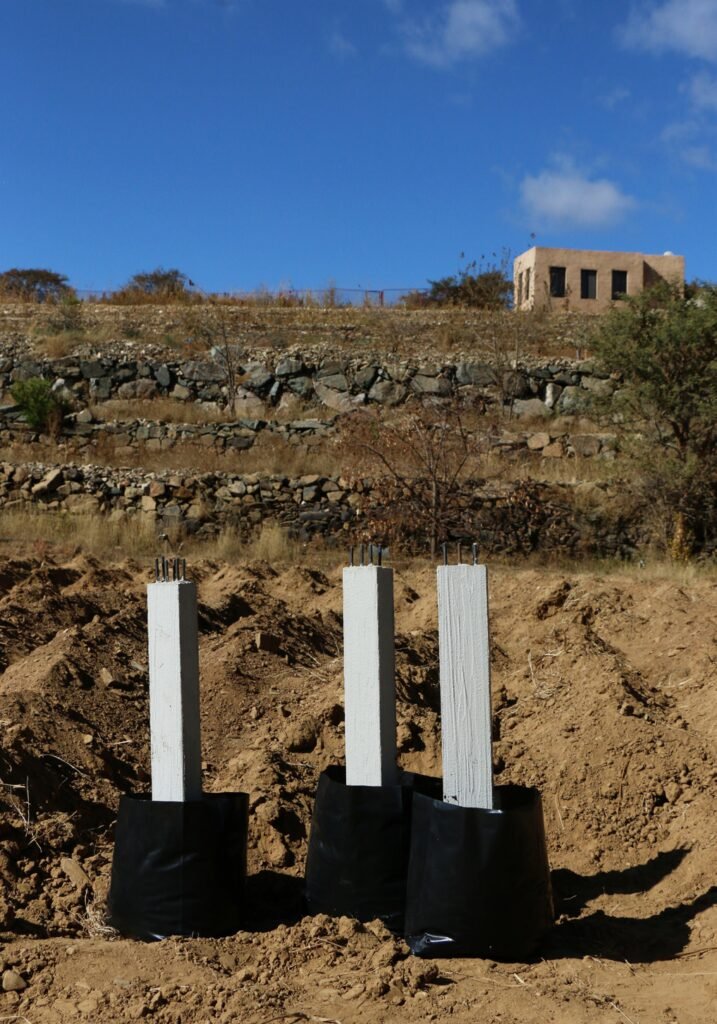
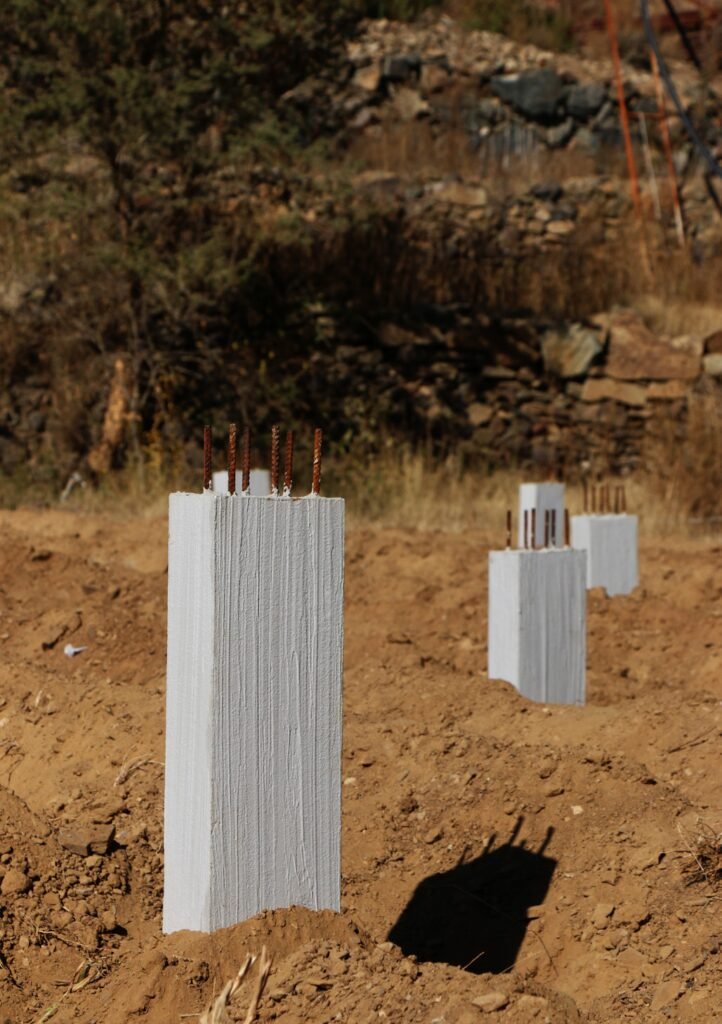
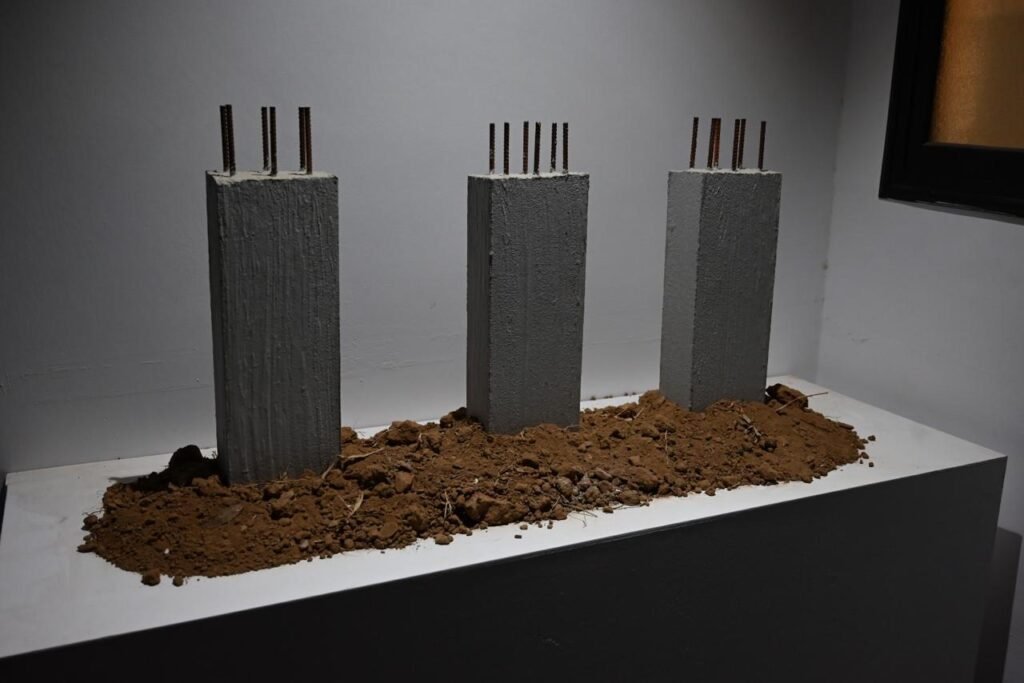
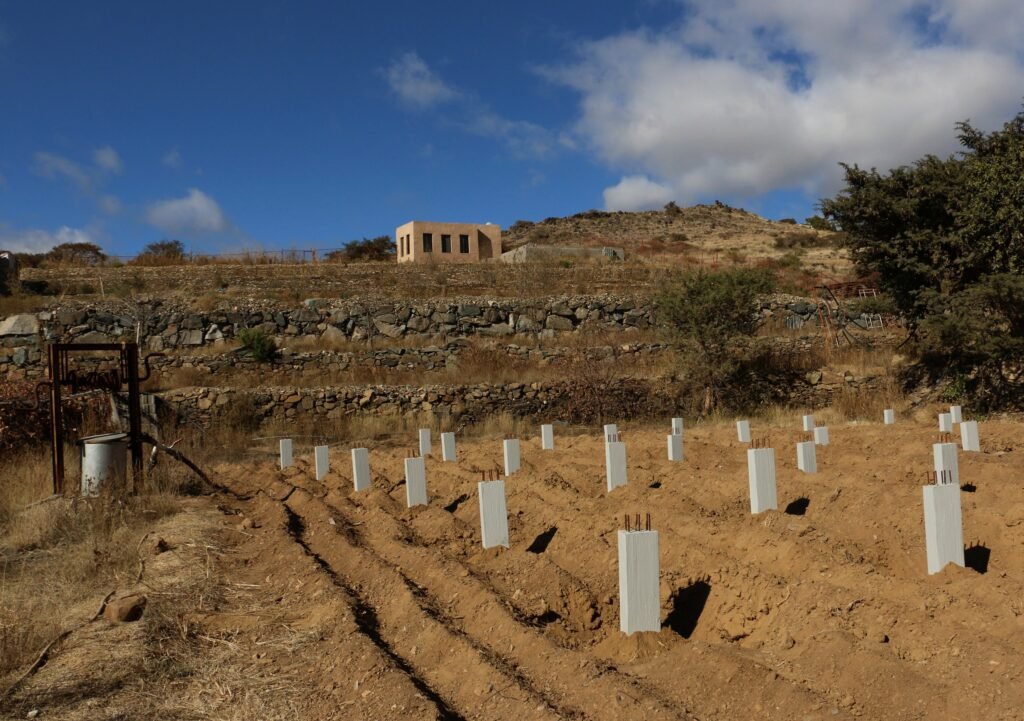
With these words, artist Hussain Muhay introduces his visual project, "Cement Season." In this work, he presents a bitterly ironic visual composition, showcasing miniature cement columns planted in cultivated soil—land that has been plowed and prepared for farming. In a short video piece, the stark visual contrast highlights the catastrophic future that awaits if humanity continues to replace greenery and agriculture with lifeless concrete masses for the sake of urban expansion and higher financial returns.
The Impact of Unsustainable Economic Growth
The project points to the root cause of this transformation: unsustainable economic growth that thrives on the exploitation of natural resources and environmental destruction. Urban expansion, driven by the desire for quick financial profits, comes at the expense of future generations and the ecological balance of our planet.
Through "Cement Season," Hussain Muhay delivers a powerful environmental and socio-political critique, urging viewers to reconsider the consequences of reckless urbanization and its irreversible impact on the earth, food security, and future sustainability.
The Conflict Between Growth and Decay
This project vividly portrays the conflict between fertility and barrenness, between life and death. The land, which once symbolized growth and sustenance, has now become a graveyard for lost hopes and dreams. This piercing contrast reveals the deep wound inflicted upon our relationship with the earth—how it has shifted from being a source of livelihood and life to a battleground between development and destruction.
However, the function of the Sawm’ah remains a topic of debate. Some sources suggest that it symbolized wealth and social status, while others link it to offering altars that were common in neighboring regions and held religious or spiritual significance in pre-Islamic Arabian traditions.
Cement as a Commodity: The Absurdity of Urban Expansion
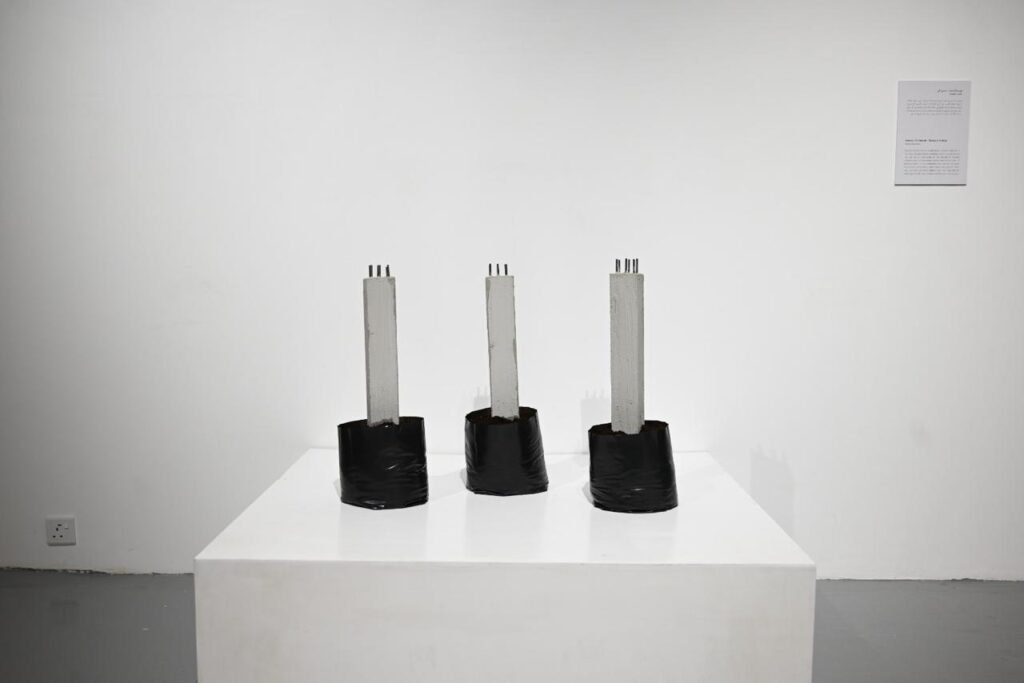
In a related visual statement, Hussain Muhay presents miniature cement columns shaped like agricultural seedlings, ready to be planted in the soil. This concept serves as a stark metaphor for the rapid spread of concrete structures, where cement has become so widespread that it is treated as a tradable commodity—ready to be transported, sold, and used anywhere. The irony lies in how these cement "seedlings" replace the once-thriving fruit tree saplings that farmers traditionally planted in the past.
In a related visual statement, Hussain Muhay presents miniature cement columns shaped like agricultural seedlings, ready to be planted in the soil. This concept serves as a stark metaphor for the rapid spread of concrete structures, where cement has become so widespread that it is treated as a tradable commodity—ready to be transported, sold, and used anywhere. The irony lies in how these cement "seedlings" replace the once-thriving fruit tree saplings that farmers traditionally planted in the past.